
Understanding the psychology behind gambling addiction for better choices
The Allure of Gambling
Gambling has a magnetic pull for many individuals, offering an escape from the everyday routine. The thrill of placing a bet and the possibility of winning can create an exhilarating rush that keeps players coming back for more. When this excitement is mixed with the potential for financial gain, it becomes an intoxicating blend that is hard to resist. For some, this excitement can quickly escalate into a pattern of behavior that becomes compulsive.
Consider how casinos and online gambling platforms are designed to amplify this allure, with flashing lights, enticing sounds, and the promise of easy money. Every game is crafted to draw you in – reinforcing the excitement with small wins and frequent rewards. It’s here that individuals often find themselves caught in the dopamine loop, where the anticipation of winning outweighs the inherent risks associated with gambling. The carefully constructed environments of these institutions play a crucial role in fostering an atmosphere of excitement and suspense that is difficult to escape.

The allure is often enhanced by marketing tactics that glamorize the lifestyle of winners. Advertisements feature happy, successful individuals celebrating massive jackpots, which can further entice new players to take a chance, disregarding the potential consequences. This creates a skewed perception of gambling as primarily a source of fun and success, rather than a potential pathway to addiction.
The Role of Emotions in Gambling
Our emotions play a significant role in decision-making, and gambling is no exception. Many players turn to gambling as a coping mechanism to handle stress, anxiety, or depression. When they win, it often provides a temporary euphoric escape from their problems, further reinforcing the belief that gambling is a solution rather than a detrimental behavior. However, this cycle can quickly spiral out of control, leading to emotional devastation when losses occur.
Interestingly, research shows that the brain’s reward system is activated not just by wins but also by losses that are perceived as close calls. This phenomenon, known as “near-miss” effects, can create a powerful illusion that victory is just around the corner, encouraging players to gamble even more. The emotional highs and lows that come with these experiences can make it increasingly difficult to walk away. Additionally, the sense of urgency created by the game can override logical thinking, leading individuals to make choices they might not otherwise consider.
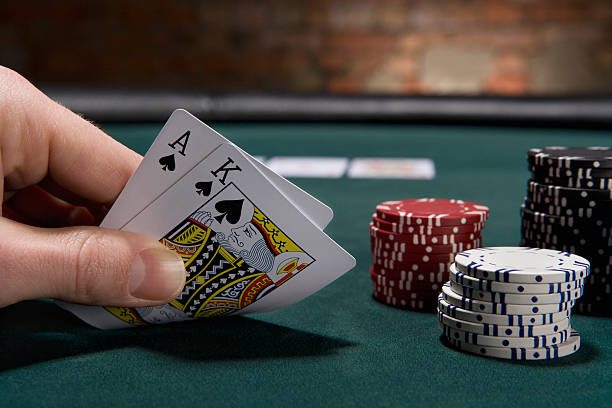
Emotional regulation becomes challenging, as individuals may ride the rollercoaster of wins and losses, which can contribute to an unstable psychological state. Seeking alternative forms of emotional relief or engaging in healthy hobbies can serve as a practical counterbalance to this cycle, offering fulfillment without the inherent risks of gambling.
The Fine Line Between Recreation and Addiction
For many, gambling starts off as a recreational activity, a way to socialize or enjoy an evening out. However, the transition from casual wagering to addiction can be remarkably swift and subtle. What begins as a fun pastime can quickly morph into a compulsive behavior that takes over various aspects of life, such as relationships, work, and personal finances. The fine line is often crossed when gambling starts to serve as a primary source of pleasure or an escape from reality.
Understanding this transition requires recognizing the signs that indicate a problem, such as frequent thoughts about gambling, neglecting responsibilities, or attempting to chase losses. By recognizing these signs early, individuals can take proactive steps toward seeking help and making better choices. Education about gambling and its psychological impact is crucial for fostering awareness and promoting responsible gambling behavior. Further, engaging in open discussions about gambling within families and communities can help demystify the activity while emphasizing its risks.
Encouraging critical thinking in potential players about their motivations for gambling is beneficial. This awareness can lead to healthier choices and a more profound understanding of the potential pitfalls associated with gambling. Moreover, individuals should feel empowered to set limits on their gambling activities, ensuring that it remains a source of enjoyment rather than a source of stress and anxiety.
The Impact of Social Influences
Gambling is not solely a personal issue; it is often influenced by social contexts and environments. Many individuals grow up in cultures or families where gambling is a normal, even celebrated, behavior. In these settings, there is little discussion of the potential dangers, which can normalize excessive gambling. Peer pressure can further exacerbate the situation, as people may feel compelled to join in or continue playing to fit in.
Moreover, the rise of online gambling has made it more accessible than ever, blurring the lines between casual play and compulsive behavior. The anonymity of online platforms can encourage individuals to gamble more than they would in a traditional setting, leading to a higher risk of addiction. Recognizing how social influences shape gambling habits is essential for understanding individual experiences and making informed decisions. Conversations within social circles about the risks and realities of gambling can help create a more informed community.
Furthermore, role models and influential figures in a community can either perpetuate or challenge these gambling norms. Initiatives that encourage individuals to speak out against harmful practices can cultivate a culture of awareness and support for responsible gambling.
Seeking Help and Making Informed Choices
Understanding the psychological aspects of gambling addiction is the first step toward making healthier choices. For those struggling with compulsive gambling, help is available through counseling, support groups, and therapy. These resources offer tools to address the emotional and psychological triggers that drive gambling behavior, enabling individuals to regain control over their lives.
Additionally, promoting public awareness about responsible gambling practices is crucial. This can involve educating potential players about the risks associated with gambling and providing resources for safe play. Websites dedicated to gambling education can be instrumental in helping individuals make informed decisions. If you’re interested in exploring how to make smarter gambling choices, consider visiting top $20 online casinos nz real money.
Ultimately, taking the time to understand the complexities of gambling addiction can foster healthier choices and relationships with gambling. The journey toward recovery may require not only a commitment to change but also a willingness to seek support from others who understand the challenges involved. Building a strong support network and utilizing available resources can make the process smoother and more manageable.